


Winter & Christmas Hazards for Pets: What Tribe Vets Want You to Know

The festive season brings cosy nights, glittering decorations, and plenty of indulgence, but it also brings a range of hidden hazards for our pets. At Tribe Vets, we want to help keep your dogs and cats safe throughout winter and the Christmas celebrations. Here are the key risks to watch out for and how to prevent a holiday emergency.
🎄 1. Christmas Trees & Decorations
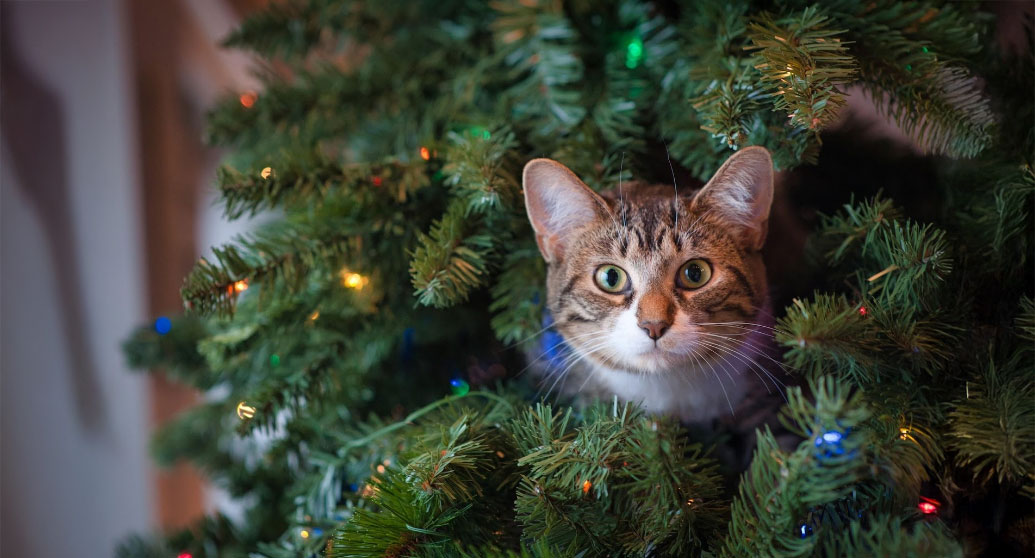
Common dangers include:
Tinsel & Ribbon
Cats in particular love to bat at shiny strands, but if swallowed, tinsel and ribbon can cause life-threatening intestinal blockages requiring emergency surgery.
Baubles & Ornaments
Glass decorations can shatter and cause cuts to paws or mouths. Even plastic baubles can be chewed into sharp pieces.
Tree Needles
Real pine needles can irritate paws, mouths, and stomachs if eaten.
Tree Water
Tree stand water often contains fertilisers, preservatives, or stagnant bacteria—keep it covered or inaccessible.
Safety Tips:
- Place delicate ornaments high up.
- Avoid tinsel if you have cats.
- Use a secure tree base to prevent tipping.
- Keep tree water covered.
🍫 2. Festive Foods That Are Toxic to Pets
Christmas is full of tempting treats, but many seasonal foods are dangerous or even deadly for pets.
Top toxic foods:
- Chocolate: Contains theobromine - highly toxic to dogs and cats.
- Raisins, Sultanas & Grapes: Found in mince pies, Christmas pudding, and fruit cake. Even small amounts are dangerous.
- Onions & Garlic: Present in stuffing, gravy, and sauces.
- Alcohol: Pets can experience severe poisoning from even tiny amounts.
- Macadamia Nuts: Can cause tremors, weakness, and vomiting.
- Xylitol (in sugar-free sweets): Causes rapid blood sugar drops and liver failure.
Leftover bones
Cooked bones splinter easily and can cause choking, blockages, or perforations.
Safety Tips:
- Keep food out of reach - pets can be surprisingly crafty!
- Remind guests not to “treat” pets without asking.
- Secure bin bags to prevent scavenging.
🎁 3. Gifts, Toys & Packaging
Cute toys and colourful wrapping can be irresistible.
Hazards include:
- Small toys that can be swallowed.
- Batteries (extremely dangerous if punctured or eaten).
- String, ribbon, and elastic from gift wrap.
- Silica gel packets - mildly toxic and a choking hazard.
Tip: Clear up wrapping paper promptly and keep presents with small components out of reach.
🕯️ 4. Candles, Fires & Electrical Cables
The cosy glow of winter can come with unexpected risks.
Common issues:
- Wagging tails or curious noses knocking over candles.
- Pets getting too close to open fires.
- Chewing through fairy-light cables.
Tip: Use cable covers, never leave candles unattended, and install fire guards.
❄️ 5. Cold Weather & Outdoor Risks
Winter conditions can be harsh on our pets:
Antifreeze
Ethylene glycol is highly toxic, especially to cats. Even a few licks can be fatal.
Ice & Snow
- Can cause cracked or painful paw pads.
- Snowballs can form between toes, especially in long-haired dogs.
Dark Nights
Reduced visibility increases accident risk.
Grit & Salt
Can irritate paw pads and cause stomach upset if licked off.
Safety Tips:
- Clean paws after walks.
- Use pet-safe paw balm or booties.
- Keep cats indoors during extreme cold.
- Ensure dogs wear reflective collars/harnesses for early morning or evening walks.
🎶 6. Noise & Visitors: Holiday Stress
The festive season can be overwhelming for pets.
Stress triggers include:
- Loud parties or music.
- Visiting guests.
- Changes in routine.
- Fireworks around New Year.
Signs of stress:
- Hiding
- Pacing or shaking
- Excessive grooming (cats)
- Panting or whining (dogs)
- Reduced appetite
Support your pet by:
- Providing a quiet, safe room
- Keeping routines consistent
- Using pheromone diffusers (Feliway, Adaptil)
- Offering enrichment toys to distract them
🎅 7. Toxic Seasonal Plants
Many festive plants are toxic:
- Poinsettia: Mild toxicity - can cause drooling and stomach upset.
- Holly & Mistletoe: More dangerous; can cause vomiting, diarrhoea, and collapse.
- Lilies: Extremely toxic to cats - even pollen can cause kidney failure.
- Christmas trees (pine): Sap and needles can irritate stomach and skin.
Tip: Keep festive plants out of reach or opt for pet-safe artificial alternatives.
❤️ What to Do in an Emergency
Seek immediate veterinary help if your pet:
- Eats something toxic
- Shows sudden vomiting or diarrhoea
- Appears unusually lethargic
- Has difficulty breathing
- Collapses or has a seizure
Don’t wait - Christmas hazards can escalate quickly.
🎁 Have a safe & Happy Christmas from Tribe Vets
With a little preparation and awareness, you can ensure your pets enjoy a happy, stress-free, and safe festive season. If you’re ever unsure whether something is safe for your pet, Tribe Vets and the Vidivet team are here to help, round the clock.
